

Buying your first home is one of life’s most exciting milestones. The process can also be overwhelming, especially when you’re trying to figure out what’s required before making an offer. From financial readiness to understanding the housing market, preparation is the key to a smooth and confident purchase. This guide walks you through everything first-time buyers need to know before taking that big step—so you can make an informed, stress-free decision and move forward with peace of mind.
The Importance of Understanding Your Financial Health Before Making an Offer
Before you even start looking at homes,
it’s crucial to understand your financial situation. Review your income,
expenses, and any outstanding debts. Knowing how much you can comfortably
afford each month will help you set a realistic price range. Many first-time
buyers make the mistake of focusing only on the home’s purchase price without
considering ongoing costs like maintenance, insurance, and property taxes.
A clear understanding of your budget ensures that you won’t overextend yourself
financially once you’ve moved in. This level of preparation gives you
confidence and flexibility when it’s time to make an offer.
Get Pre-Approved for a Mortgage
Pre-approval is one of the most valuable
steps you can take before making an offer. It not only helps determine how much
a lender is willing to finance but also signals to sellers that you’re a
serious buyer. When sellers see a pre-approval letter, they know you’ve done
your homework and are financially qualified.
This process involves submitting your income, assets, and credit information to
a lender. Once reviewed, the lender provides a letter stating the maximum loan
amount you qualify for. Having that document in hand gives you leverage in a
competitive market and helps you act quickly when you find the perfect home.
Check and Strengthen Your Credit Score
Your credit score plays a major role in
determining your mortgage rate. A higher score often means a lower interest
rate, which can save you thousands over the life of your loan. Before making an
offer, obtain your credit report and review it for any errors or discrepancies.
If your score is lower than expected, take a few months to improve it by paying
down high-interest debts and ensuring all payments are made on time. Lenders
like to see consistent financial behavior, and small improvements can make a big
difference when it comes to mortgage approval and loan terms.

Research the Local Market
Understanding the real estate market where you plan to buy is
another important step. Look into recent home sales, average price trends, and
how long properties typically stay on the market. This research helps you
determine whether it’s a buyer’s or a seller’s market and what kind of offer
would be competitive.
Working with a local real estate agent can be especially beneficial. They know
the neighborhoods, schools, and upcoming developments that could affect
property values. By studying market conditions, you’ll be better equipped to
recognize a fair deal when you see one.
Calculate All Upfront and Ongoing Costs
When buying your first home, it’s easy to
focus on the down payment and forget about the other costs involved. Closing
costs, home inspections, insurance premiums, and moving expenses can add up
quickly. Having a clear breakdown of these expenses ensures you won’t be caught
off guard later.
It’s also wise to set aside a contingency fund for repairs or unexpected issues
that might arise after you move in. Being financially prepared gives you peace
of mind and prevents your dream home from turning into a financial burden.
Work with a Trusted Real Estate Agent
A good real estate agent is your advocate
during the buying process. They can help you find listings that fit your needs,
arrange viewings, and negotiate the best possible terms for your offer. For
first-time buyers, having professional guidance makes the entire experience
smoother and less stressful.
Choose an agent who communicates clearly and understands your priorities. Their
local market expertise and connections can help you find hidden opportunities
that might not appear on public listings. The right agent can also help you
craft an offer that appeals to sellers while protecting your interests.
Schedule a Professional Home Inspection
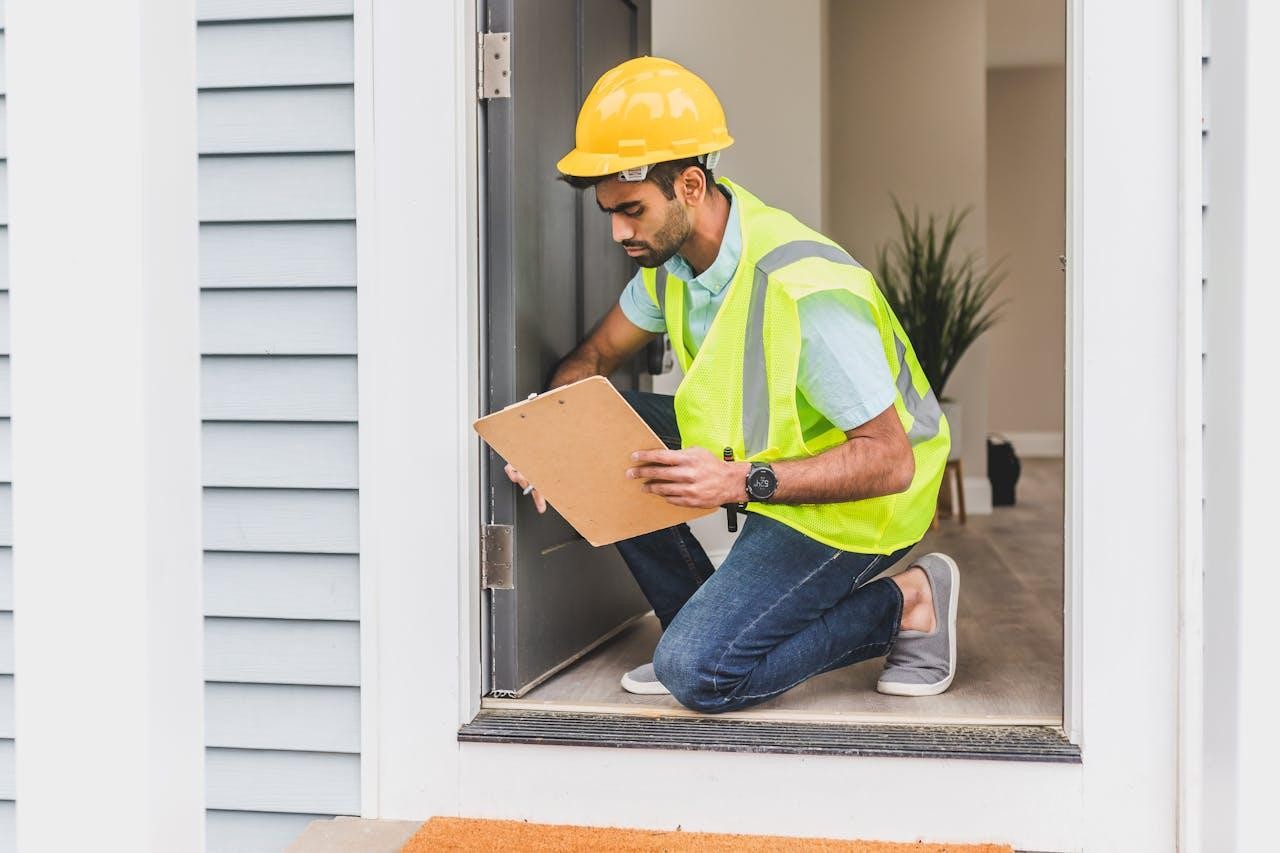
Before you commit to buying, always
schedule a home inspection. A qualified inspector will identify any structural
issues, safety hazards, or costly repairs that might not be visible during a
simple walkthrough. This information can help you negotiate repairs or adjust
your offer price accordingly.
Skipping this step can lead to expensive surprises later, especially in older
homes. An inspection provides a detailed report on the property’s condition,
giving you the confidence to move forward—or the knowledge to walk away if
needed.
In the past, buyers may have felt pressure to waive the home inspection to make their offer more appealing to home sellers. New legislation in Massachusetts no longer allows the seller or their agent to know whether the buyer will be doing a home inspection until after they’ve chosen an offer. As a buyer, it is your decision whether or not to conduct a home inspection. It will not have any impact on the strength of your offer to purchase the home.
Evaluate Your Long-Term Needs
First-time buyers often focus on what
they need right now, but it’s equally important to think about the future.
Consider how long you plan to stay in the home, whether your family might grow,
and how your lifestyle could change.
Choosing a property that meets both current and future needs can save you from
outgrowing your home too soon. Think about proximity to work, schools, and
amenities, as well as potential resale value. The right home should support
your goals for years to come, not just for today.
Plan Your Move Strategically
Once your offer is accepted, the moving process begins—and it’s often more complex than first-time buyers expect. Packing, transporting, and settling in all come with hidden costs if you’re not careful. One of the best ways to avoid overspending is to create a clear plan that covers supplies, transportation, temporary storage, and any extra help you might need. Compare prices before buying boxes or renting a truck, because small price differences add up fast.
You can also focus on how to stay within budget during your move by decluttering early, since fewer items mean fewer trips and less packing material. Look for free or discounted boxes from local stores, and reuse household items like towels to protect fragile pieces. Planning ahead prevents last-minute purchases that usually cost more. With a little organization and smart budgeting, you can move into your new home without stretching your finances.
Be Emotionally Prepared for Negotiations
Buying a home involves negotiation, and
it’s important to be prepared for some back-and-forth with the seller. While
you may fall in love with a property, try to stay level-headed and realistic
about your limits. Having pre-approval and market knowledge will help you make
strong, reasonable offers.
Sellers may counter your offer, and sometimes you’ll need to compromise on
certain terms. Stay focused on your priorities—price, condition, and
location—and remember that patience often leads to better outcomes. With the
right mindset, negotiations can be an empowering part of the home-buying
process.
Secure Homeowners Insurance Early
Before closing, you’ll need to have homeowners'
insurance in place. Lenders typically require proof of insurance as part of the
mortgage process. Start shopping for policies early so you have time to compare
rates and coverage options.
Homeowners insurance protects your property from potential losses due to fire, theft, or
natural disasters. Understanding your coverage ensures that you’re not left
vulnerable once you move in. It’s one more way to safeguard your investment and
future peace of mind.
Enter Homeownership with Confidence
Buying your first home is a major life milestone, and the key to success lies in preparation. Understanding your finances, getting pre-approved, and researching the market all build the foundation you need before making an offer. Each of these steps ensures you move forward with confidence, knowing that your decisions are backed by solid information and careful planning. With the right guidance from professionals—your lender, real estate agent, inspector, and movers—you’ll be ready to navigate the process smoothly and avoid common first-time buyer mistakes. The goal is not just to find a house but to secure a home that fits your lifestyle, future goals, and financial comfort.