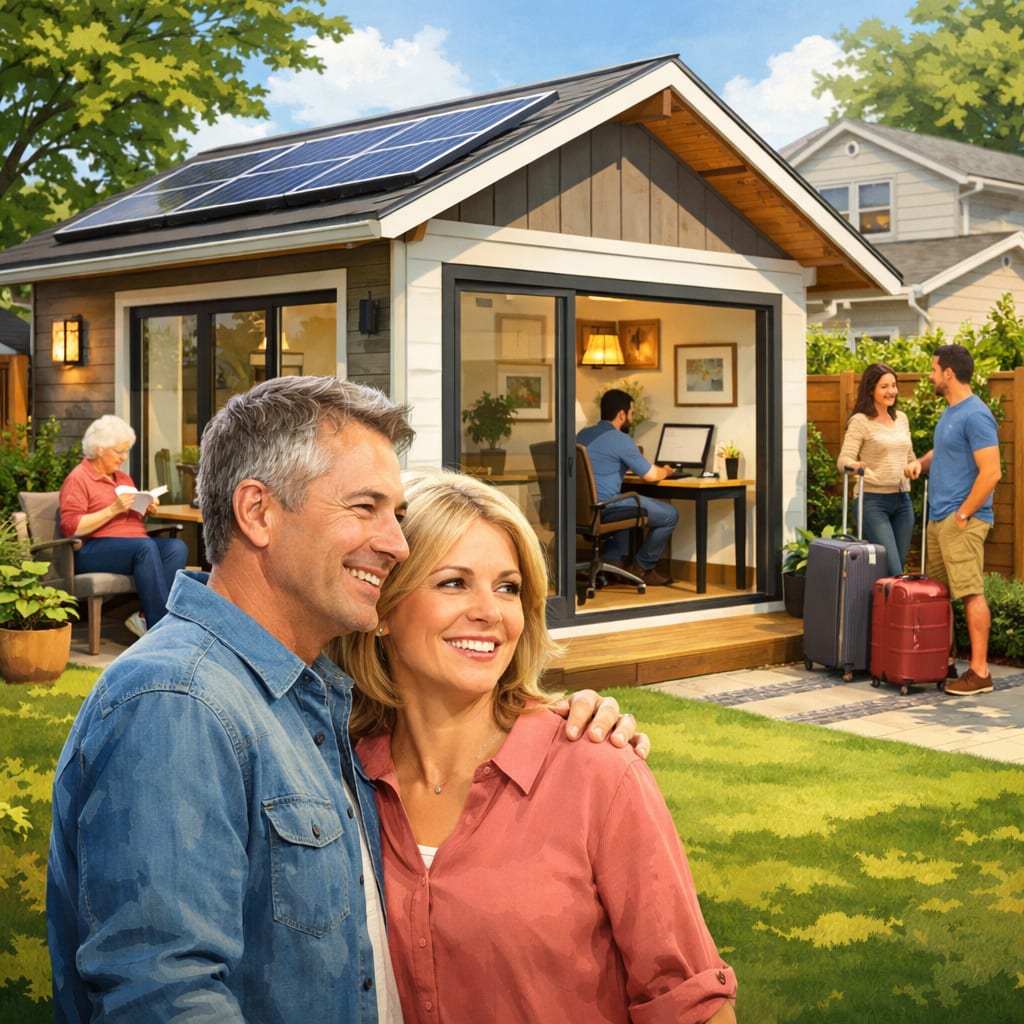

In recent years, the landscape of residential real estate has shifted dramatically. As housing costs climb and the desire for flexible, multi-generational living arrangements grows, homeowners are increasingly looking toward innovative ways to maximize their existing property. Enter the Accessory Dwelling Unit, commonly known as an ADU. Whether it is a converted garage, a backyard cottage, or a basement apartment, an ADU offers a unique opportunity to expand your footprint without the need to relocate. By transforming underutilized square footage into a functional living space, homeowners can unlock significant financial, social, and practical advantages.
The Versatility of Modern Living
The primary appeal of an ADU lies in its incredible flexibility. Unlike a traditional room addition, which is tethered to the main structure of the home, an ADU functions as an independent unit. This independence allows it to evolve alongside the changing needs of a household. For young families, it might serve as a quiet home office or a creative studio. As children grow and eventually leave home, that same space can transition into a private guest suite for visiting relatives or even a rental unit to provide supplemental income.
This adaptability is particularly valuable in an era where work environments have become decentralized. Many professionals now require dedicated spaces to focus, away from the distractions of the main living area. An ADU provides the perfect physical separation between professional responsibilities and domestic life. By stepping out of the main house to enter an office space, individuals can create a psychological boundary that improves productivity and mental clarity. For those navigating the complexities of modern schedules, having this kind of dedicated space can be as beneficial as a session with a virtual psychiatrist when it comes to maintaining a healthy work-life balance.
Furthermore, ADUs are an excellent solution for aging in place. Many seniors wish to remain in their own homes as long as possible. An ADU allows a parent or grandparent to live independently while remaining within a short walk of their family. This arrangement provides peace of mind for everyone involved. It ensures that support is readily available when needed while preserving the dignity and autonomy of the aging family member.
Financial Advantages and Asset Appreciation
Beyond the lifestyle improvements, an ADU is a strategic financial investment. The most immediate benefit is the potential for rental income. In many urban and suburban markets, the demand for affordable, small-footprint housing is exceptionally high. By renting out an ADU, homeowners can offset their mortgage payments, fund home improvements, or simply build a steady stream of passive income. This financial cushion can be transformative, allowing families to pay down debt faster or invest in other areas of their financial future.
Even for those who choose not to rent out the space, an ADU significantly increases the overall value of the property. When it comes time to sell, a home that features an independent, permitted dwelling unit stands out in a crowded market. Prospective buyers often view an ADU as a major value-add. It appeals to a wider demographic, including buyers looking for multigenerational living options or those who see the income-generating potential for themselves.
From an appraisal standpoint, adding permanent square footage that is properly permitted and built to code generally correlates with a higher market valuation. Unlike a simple cosmetic renovation, which may or may not provide a high return on investment, an ADU creates new, usable space that has tangible utility. It is an investment in the physical asset of the home that pays dividends over time.
Design and Sustainability Considerations
One of the most exciting aspects of building an ADU is the opportunity to embrace modern, sustainable design. Because these units are typically smaller than main homes, they are ideal candidates for high-efficiency construction methods. Homeowners can focus their budget on premium materials, superior insulation, and energy-efficient appliances that would be cost-prohibitive to install in a larger, main residence.
Incorporating green technology, such as solar panels or smart home climate control, is often easier and more impactful in a smaller footprint. Many ADUs are designed as net-zero structures, meaning they produce as much energy as they consume. This not only reduces the environmental footprint of the household but also keeps ongoing utility costs at a minimum. When you design an ADU, you have a blank slate to prioritize natural light, ventilation, and sustainable materials that contribute to a healthier living environment.
Additionally, the trend toward minimalism pairs perfectly with the ADU concept. Living in a smaller, well-designed space encourages occupants to curate their belongings and focus on functionality over excess. This lifestyle shift is increasingly popular, as it aligns with broader goals of reducing waste and simplifying daily routines. Whether you are using the space for yourself or for tenants, a thoughtfully designed ADU proves that quality, comfort, and style do not require a massive floor plan.
Navigating the Path to Completion
While the benefits are clear, successfully adding an ADU requires careful planning. The first step is always to verify the local zoning laws and building codes in your municipality. Many cities have updated their regulations to encourage the development of ADUs, but there are often specific requirements regarding set-backs, height restrictions, and utility connections. Engaging with a qualified architect or a contractor who specializes in ADU construction is highly recommended. These professionals can help you navigate the permit process, which is often the most challenging part of the project.
It is also important to consider the long-term maintenance and utility management of the unit. Think about how the unit will be powered, heated, and cooled. Will it be connected to the main house’s electrical and plumbing systems, or will it be independent? Planning these details upfront will prevent headaches during construction and ensure that the unit functions efficiently for years to come.
Finally, consider the aesthetic cohesion of the property. A well-designed ADU should complement the architecture of the primary residence. Whether you choose a design that mirrors the main house or opt for a modern contrast, the goal is to create a unified property that looks and feels like a cohesive estate. While some homeowners might find the construction process overwhelming, focusing on the end result is key. Just as one might research amantadine for adhd to manage symptoms and regain focus on daily tasks, approaching your building project with organized research and professional guidance will keep you focused and on track toward a successful completion.
Conclusion
Adding an ADU is more than just a home improvement project; it is a long-term investment in your lifestyle, your property value, and your future flexibility. By providing a versatile space that can adapt to the changing needs of your family, you create a home that is truly future-proof. Whether you are looking to generate passive income, provide a space for aging parents, or simply claim a quiet corner for your own professional or creative pursuits, an ADU offers a sophisticated solution to the constraints of traditional housing.
As you begin to explore the possibilities for your own property, remember that the most successful projects are those built on a foundation of careful research, professional collaboration, and a clear vision for the future. You have the potential to turn an underused backyard or an empty basement into one of the most valuable assets on your property.